


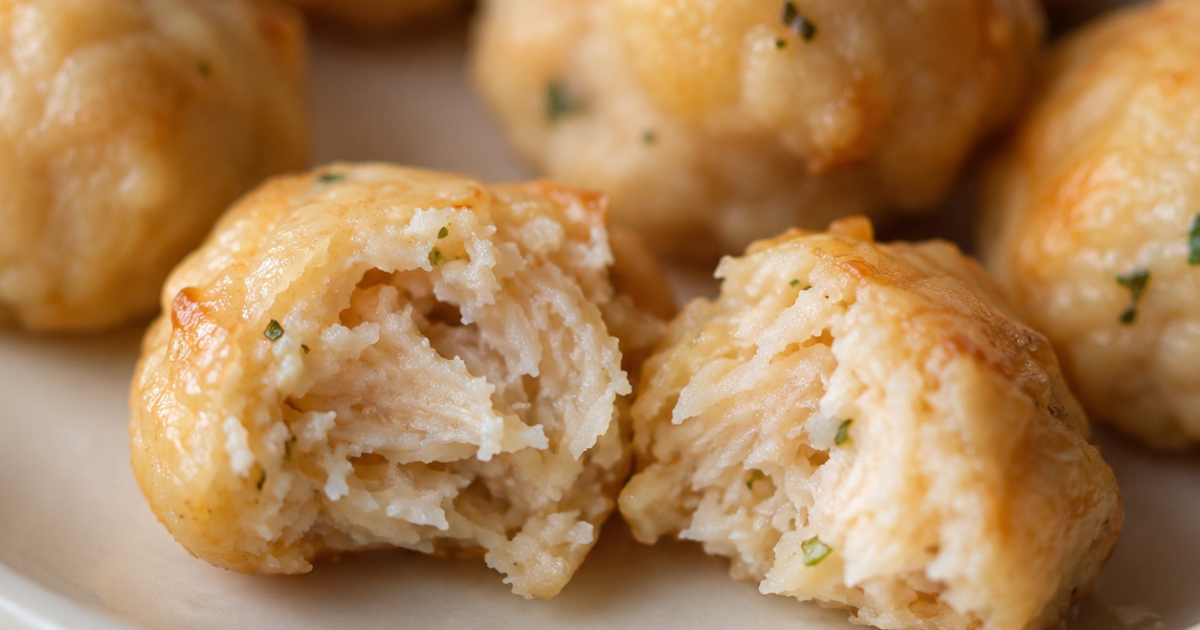
Quick answer: Soft homemade cat treats can be made by combining finely minced cooked chicken, fully cooked egg, and a small amount of plain pumpkin in shallow molds. Softness should come from moisture and shape—not raw centers.
A soft treat can be useful when a cat rejects crunchy biscuits, but dental pain is not a recipe problem. Sudden chewing difficulty, dropping food, pawing at the mouth, or avoiding meals deserves veterinary assessment.
This formula stays tender because it uses pumpkin and shallow molds. It is not advertised as a dental treatment or automatically suitable for seniors; each cat still needs to chew and swallow safely.
Why this version is practical
- Softness comes from measured moisture rather than underbaking.
- Shallow molds create uniform, easy-to-divide pieces.
- The chicken remains the dominant ingredient.
- The article distinguishes texture preference from dental disease.
Ingredient decisions that matter
Pumpkin amount: Two tablespoons provide moisture without turning the treat into a pumpkin snack.
Oat flour: A small amount prevents the bite from becoming an egg custard.
Chicken preparation: Use plain meat cooked to 165°F, never seasoned leftovers.
Soft Chicken and Pumpkin Cat Bites
Tender molded treats made from plain cooked chicken, egg, and a modest amount of plain pumpkin.
- Prep
- 12 minutes
- Cook
- 13–16 minutes
- Total
- 38 minutes including cooling
- Yield
- About 20 small soft bites
- Storage
- Refrigerate up to 3 days
Equipment
- Food processor
- Mixing bowl
- Shallow silicone treat mold
- Baking sheet
- Food thermometer
Ingredients
- 3/4 cup (about 105 g) plain cooked chicken (165°F; finely minced)
- 1 large egg
- 2 tablespoons 100% plain pumpkin purée
- 2 tablespoons plain oat flour
Instructions
- Prepare: Heat the oven to 325°F and place a shallow silicone mold on a baking sheet.
- Blend: Pulse chicken, egg, and pumpkin until finely textured but not completely liquefied.
- Adjust: Stir in oat flour and rest for five minutes. The mixture should be spoonable, not pourable.
- Bake: Fill shallow cavities and bake 13 to 16 minutes until completely set.
- Cool and test: Cool fully. Press one piece between clean fingers; it should break easily without a wet center.
What “done” should look and feel like
A cooled bite should be opaque, springy, and easy to split. It should not ooze or smear. Soft does not mean raw.
Do not fill the mold deeper than about 1/2 inch. Shallow pieces set faster and are easier for the owner to portion.
How much to serve
Offer half of one soft bite first. Supervise cats that tend to gulp, and mash the piece with a fork if a veterinarian has approved a softer consistency.
Because ingredient brands and treat sizes vary, calculate calories from the labels you actually use. Divide the batch total by the number of finished pieces, then fit that amount inside your cat’s daily treat allowance rather than guessing.
Storage and food-safety plan
Refrigerate for up to 3 days. Freeze individual pieces for one month and thaw in the refrigerator. Moist soft treats should never sit in a countertop jar.
Discard any portion that develops an unusual smell, visible moisture, mold, or texture change. When in doubt, throw it away; home-baked treats do not contain the preservatives used in many commercial products.
Useful substitutions—and what not to substitute
- Plain turkey can replace chicken at the same cooked weight if tolerated.
- Omit pumpkin only by switching to the chicken-and-egg recipe.
- Do not add dairy, butter, broth with aromatics, or extra oil to create softness.
Common problems and fixes
Underbaking to keep them soft
Bake until fully set; adjust mold depth and pumpkin amount instead.
Treats become rubbery
Pulse less, avoid excess egg, and check the oven earlier.
Assuming a senior cat needs soft treats
Choose texture based on observed ability and veterinary advice, not age alone.
When this recipe is not the right choice
Skip if the cat has unexplained mouth pain, swallowing difficulty, chicken or egg allergy, a prescribed diet, or ongoing vomiting or diarrhea. Seek veterinary assessment rather than masking a chewing problem with softer food.
Frequently asked questions
Are soft treats better for senior cats?
They may be easier for some cats, but age alone does not diagnose dental or swallowing needs.
How do I know the egg is cooked?
The center should be opaque and set. Egg dishes should reach 160°F.
Can I keep them soft on the counter?
No. Their moisture requires refrigeration.
Can I mash one into regular food?
Yes, if the ingredients fit the cat’s diet and the amount remains within the treat allowance.
Are these a complete meal?
No. They are occasional treats.
Safety references
These sources support the general treat, hygiene, ingredient-avoidance, and cooking-safety guidance on this page. They do not constitute veterinary approval of this individual recipe.