


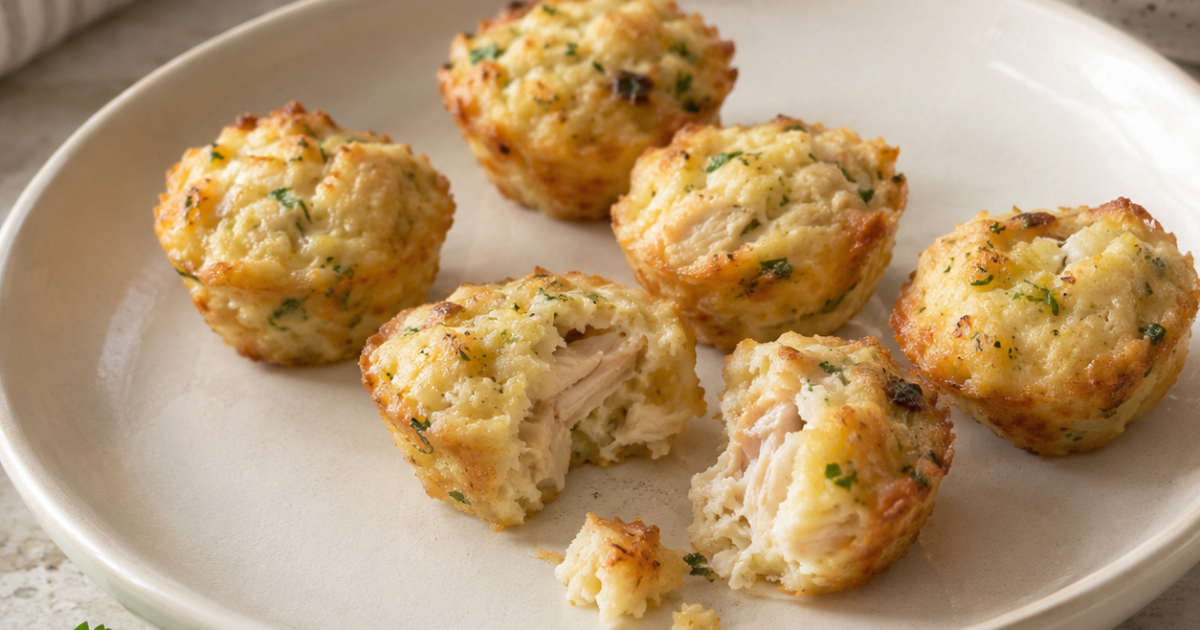
Quick answer: Blend fully cooked plain chicken with egg, portion the mixture into tiny silicone molds, and bake until the egg is completely set. The result is a soft refrigerated treat—not a shelf-stable biscuit.
This recipe is meaningfully different from a standard chicken biscuit because it contains no flour. The trade-off is higher moisture: the bites are tender and easy to break, but they require prompt refrigeration and a shorter storage window.
Flour-free does not mean allergy-safe or low calorie. Chicken and egg are both common dietary proteins, so cats on elimination diets or with suspected reactions need veterinary guidance.
Why this version is practical
- No flour is needed because the mold supports the mixture as the egg sets.
- The soft texture is easy to divide into smaller rewards.
- The ingredient list is short and visible.
- The method clearly separates moist refrigerated treats from shelf-stable biscuits.
Ingredient decisions that matter
Cook chicken first: Pre-cooking makes the mixture easier to handle and verify.
Egg must set fully: Soft texture should come from moisture, not undercooked egg.
Mold depth: Shallow cavities cook more evenly and create safer portions.
Flour-Free Chicken and Egg Bites
Tender mini bites made from plain cooked chicken and fully set egg.
- Prep
- 10 minutes
- Cook
- 12–15 minutes
- Total
- 35 minutes including cooling
- Yield
- About 20 tiny molded bites
- Storage
- Refrigerate up to 3 days
Equipment
- Food processor or knife
- Mixing bowl
- Tiny silicone treat mold
- Baking sheet
- Food thermometer
Ingredients
- 3/4 cup (about 105 g) plain cooked chicken (165°F; finely minced)
- 1 large egg (beaten)
- 1 tablespoon water (optional for blending)
Instructions
- Prepare: Heat the oven to 325°F. Place a tiny silicone mold on a rigid baking sheet.
- Blend: Pulse chicken and egg to a spoonable, finely textured mixture. Add water only if the blades cannot move the mixture.
- Fill: Spoon into shallow cavities and level the tops. Avoid deep candy molds that produce large pieces.
- Bake: Bake 12 to 15 minutes, until each center is completely set. The egg mixture should reach 160°F; any poultry introduced raw must reach 165°F.
- Cool and unmold: Cool completely, remove the bites, and refrigerate immediately.
What “done” should look and feel like
The bites should look opaque and feel springy in the center, with no liquid egg. They remain soft after cooling and should not be expected to crisp.
Place the flexible mold on a baking sheet before filling it. This prevents spills and lets you move the tray without bending the cavities.
How much to serve
Start with half a bite. Because these pieces are moist and aromatic, cats may swallow them quickly; keep the pieces shallow and supervise.
Because ingredient brands and treat sizes vary, calculate calories from the labels you actually use. Divide the batch total by the number of finished pieces, then fit that amount inside your cat’s daily treat allowance rather than guessing.
Storage and food-safety plan
Refrigerate for up to 3 days or freeze for one month. Thaw overnight in the refrigerator. Never store these moist egg bites at room temperature.
Discard any portion that develops an unusual smell, visible moisture, mold, or texture change. When in doubt, throw it away; home-baked treats do not contain the preservatives used in many commercial products.
Useful substitutions—and what not to substitute
- Plain cooked turkey may work at the same cooked weight.
- Use the flour-free roundup for fish-based options.
- Do not add cheese, milk, cream, raw egg, or seasoned meat.
Common problems and fixes
The bites are rubbery
The mixture was overprocessed or overbaked. Pulse only until fine and check early.
They stick to the mold
Cool fully and flex the silicone gently; do not grease with butter.
The center is wet
Return the mold to the oven until fully set, using a thermometer on a representative center piece.
When this recipe is not the right choice
Avoid for cats with chicken or egg allergy, a therapeutic diet, swallowing problems, or conditions requiring precise calorie or protein control.
Frequently asked questions
Are these really flour-free?
Yes. The silicone mold and egg provide the structure.
Can I cook them in a microwave?
The oven gives more predictable setting across a batch. This recipe has not been developed for microwave timing.
Why must they be refrigerated?
They are moist cooked chicken-and-egg bites without preservatives.
Can I make them crunchy?
Use the baked chicken recipe instead. Extending this bake can make egg bites rubbery.
Can they be a meal?
No. They are not complete and balanced.
Safety references
These sources support the general treat, hygiene, ingredient-avoidance, and cooking-safety guidance on this page. They do not constitute veterinary approval of this individual recipe.