


Compare designs before choosing
Which automatic litter box fits your indoor cat? Compare six researched options by entry height, usable space, cleaning needs, and your cat’s tolerance for enclosed designs: Litter-Robot 5, Neakasa M1 Plus, PetSafe ScoopFree SmartSpin, PETKIT PuraMax 2, PetSnowy SNOW+, and PETLIBRO Luma. Luma’s detailed fit, cleaning, and ownership notes are in our dedicated review. Check each model’s exact regional manual and ongoing costs before buying.
Paid links: MeowBay may earn a commission from qualifying purchases. As an Amazon Associate, we earn from qualifying purchases.
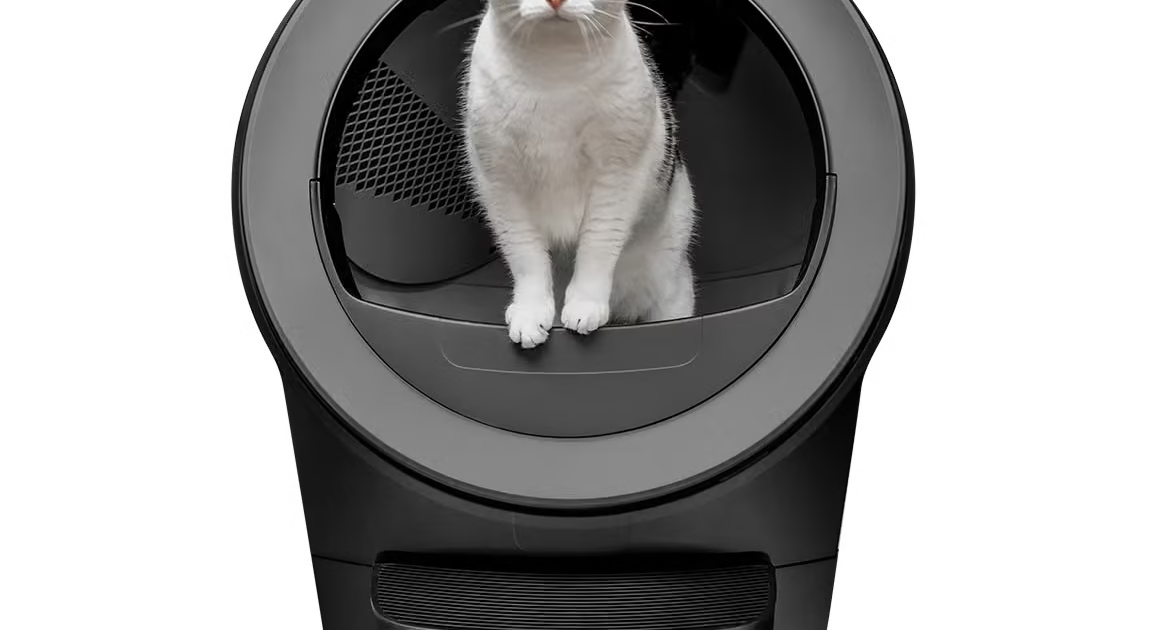
Sixth option · connected enclosed design
PETLIBRO Luma

Automatic cleaning · Enclosed design · App
Limitation: Adult cats 2.2–22 lb; needs a hard, level floor and generous clearance.
Wide-entry premium design
Litter-Robot 5
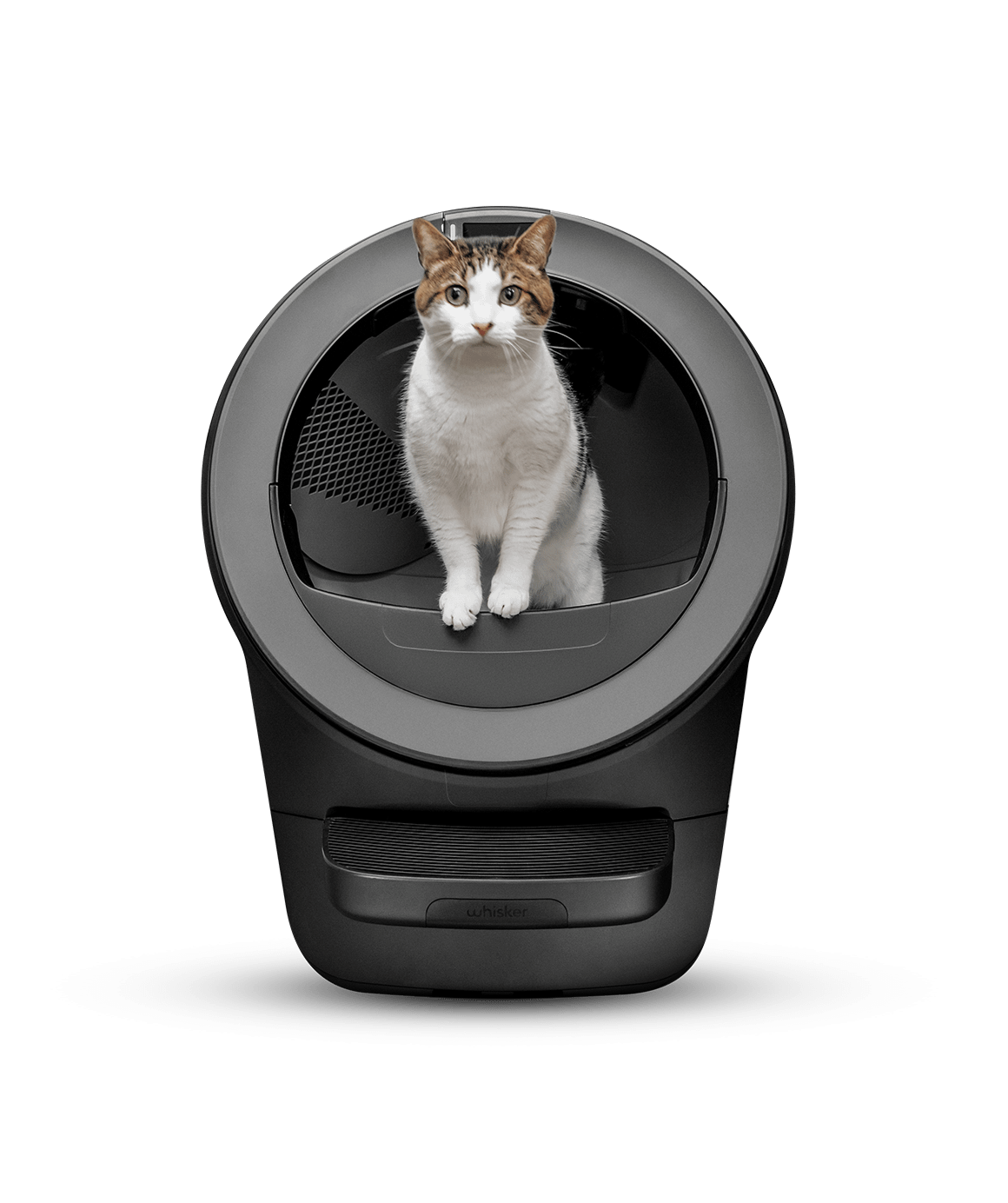
Wide entry · App monitoring · Enclosed globe
Limitation: Premium cost and a substantial footprint; check regional availability.
Open-top alternative
Neakasa M1 Plus

Open top · Large-cat option · App
Limitation: Allow room around the unit and follow current firmware guidance.
Research-led comparison · See dated source checks below
The best automatic litter box is not simply the one with the most sensors. It must fit your cat’s body and mobility, leave a safe route in and out, handle your litter, contain waste without hiding maintenance, and keep working predictably when Wi-Fi or an app does not.
We compared official specifications, manuals, safety instructions, dimensions, cleaning requirements, regional availability, warranties, and recurring costs. This is independent desk research—not a claim that MeowBay hands-on tested every model.
AUTOMATIC LITTER BOX DECISION CENTER
Compare, set up, and maintain an automatic litter box
Compare the mechanism and cat fit first, then plan space, multi-cat access, cleaning, odor control, and full ownership cost.
COMPARE
Compare the strongest alternatives
SET UP
Check space, cats, and full cost
MAINTAIN
Plan cleaning and odor control
Safety first: no automatic box is maintenance-free. Check cat-size limits, sensors, litter compatibility, waste drawer, and the manual before relying on it.
The short answer
Litter-Robot 5 is the most complete premium starting point for US and Canadian households that want a wide entry, a documented 3–30 lb cat range, multi-cat monitoring, and a long trial—but it starts around $799 and is not currently a global option. Neakasa M1 Plus is the strongest open-top design to compare for large or cover-averse cats, with a documented 2.2–33 lb range. PetSafe ScoopFree SmartSpin combines a lower profile with a lower official price. PETKIT PuraMax 2 packs a low entry and sealed cylinder into a shorter enclosure. PetSnowy SNOW+ prioritizes waste sealing, odor control, and litter tracking, but its long enclosed walkway is a real acceptance trade-off.
No automatic box eliminates daily observation, periodic washing, or the need for another accessible litter resource during transition, failure, or cleaning.
Choose by the problem you actually have
Find the right litter-box guide before checking prices
Start with the constraint that can rule out a purchase: the cat’s usable space, the room’s footprint, shared access, odor maintenance or safety. Then compare models.
Compare entry, headroom and turning space → Small apartment
Compare the real floor area and cleaning clearance → Two-cat home
Plan access, backup boxes and waste capacity → Odor control
Compare drawers, seals, litter and cleaning work → Safety first
Check weight limits, sensors, cycle design and setup → Litter-Robot alternatives
Compare open, enclosed and lower-cost designs → Litter-Robot vs PETKIT
Compare size, entry, cleaning and ongoing costs → Robot or traditional tray?
Compare cost, observation, access and maintenance →
Before ordering: measure the full use zone, not only the advertised footprint. Include the entrance path, drawer or globe removal, cable route, mat or ramp, and a separate backup litter location. Use the litter-box cost calculator after you have a realistic shortlist.
Budget, dated price checks, and ownership costs
We have not verified a suitable new automatic model below $150 in this six-option comparison. That is a limit of this research, not proof that no such product exists. If your budget is firm, compare a conventional tray in our automatic vs. traditional litter-box guide; check that a low-priced listing is a complete powered device, not an accessory or manual box.
Dated US price check, September 12, 2026: PetSafe’s ScoopFree Clumping Self-Cleaning Litter Box (model ZAL00-17761) was listed at $279.99 before tax and shipping. This is a dated manufacturer listing, not a current checkout quote or a hands-on performance result. Verify the exact model, current price, return terms, compatible litter, and cleaning access before purchase. It is a rake-based clumping-litter model, not ScoopFree SmartSpin.
For premium models, compare full ownership cost
For higher budgets, compare Litter-Robot alternatives, our Litter-Robot vs PETKIT guide, and the PETLIBRO Luma review. Add compatible litter, liners or trays, odor-control refills, replacement parts, optional subscriptions, and return shipping. A premium price does not establish fit or reliability. Keep an accessible backup litter location during transition, cleaning, or a breakdown.
Before you buy: check the manufacturer’s manual for the exact model and your region, confirm the footprint and entry suit your cat, and compare ongoing supplies and return costs with the purchase price.
How we researched—and what we did not test
The five detailed model profiles were last checked against official product pages and manuals on August 16, 2026. PETLIBRO Luma is the sixth comparison option and is covered in its linked dedicated review; dates and scope for later checks are stated in the relevant sections. We compared cat-weight guidance, entry size and height, exterior footprint, enclosure style, sensor descriptions, cycle interruption, compatible litter, waste capacity, cleaning access, app dependence, firmware notices, warranty, trial period, and regional support. Later additions or price checks are identified by date in their sections; an updated page date does not mean every specification or price was rechecked on that date.
Manufacturer claims such as “up to 15 days,” odor-removal percentages, noise levels, and cat-acclimation rates are labeled as manufacturer claims; MeowBay has not independently reproduced them. We did not assign fake precision scores or present app data as medical diagnosis. Long-term reliability, real odor performance, cat acceptance, and ease of deep cleaning require hands-on testing over time.
Affiliate disclosure: MeowBay may earn a commission from clearly marked retailer links at no extra cost to you. Official specification and source links are not paid. Confirm the exact model and authorized seller before purchasing, especially on marketplaces.
Quick comparison: six researched options
| Model | Best fit | Documented size guidance | Footprint | Main trade-off |
|---|---|---|---|---|
| Litter-Robot 5 | Premium connected households | 3–30 lb; 15.75-inch entry | 22 × 27 in; 29.9 in high | About $799; US/Canada only at review |
| Neakasa M1 Plus | Large or cover-averse cats | 2.2–33 lb; open top | 20.67 × 23.26 in; 20.2 in high | 13.86-inch step; firmware must be current |
| PetSafe SmartSpin | Lower-profile connected option | Check exact regional manual | About 26.4 × 18.9 in; 20.9 in high | Newer platform; deodorizer costs |
| PETKIT PuraMax 2 | Low entry and compact height | 3.3–22 lb; 7.87-inch entry height | 24.41 × 21.18 in; 21.73 in high | Enclosed 7.87 × 10.03-inch entrance |
| PetSnowy SNOW+ | Odor and tracking control | Confirm current model guidance | 29.5 × 20 in; 25.6 in high | Longest unit; enclosed walkway |
| PETLIBRO Luma | Adult cats within its stated range; connected enclosed option | 2.2–22 lb; adult cats only | Confirm regional dimensions; hard, level floor and clearance required | Review model limits and recurring ownership costs; see dedicated review |
Dimensions and model availability can change. Measure the intended floor space, lid or globe removal clearance, cable route, and the cat’s exit path—not only the advertised footprint.
Safety comes before convenience
Look for more than the phrase “safety sensors.” Read the manual and verify the minimum cat weight or age, how the unit detects presence, whether the entrance stays open during rotation, what happens when the cycle is interrupted, and whether the machine requires a hard, level floor for accurate sensing.
- Use manual or kitten mode below the manufacturer’s automatic-operation threshold.
- Install every firmware update, including safety-related updates.
- Keep the unit level, unobstructed, and assembled exactly as instructed.
- Test cycle interruption while you are present—never with the cat inside.
- Keep a traditional box available until every cat uses the new unit reliably.
- Inspect the litter bed, waste drawer, sensors, urine, and stool daily.
- Stop automatic cycling if the machine behaves unexpectedly.
Read the full automatic litter-box safety checklist before switching.
Best premium all-round starting point
1. Litter-Robot 5
Whisker’s current Litter-Robot 5 expands the documented cat range to 3–30 lb and the interior headroom to 17.5 inches while keeping the familiar 22-by-27-inch footprint and 15.75-inch-square opening. The company describes lasers, weight sensing, anti-obstruction protection, adjustable cycle delays, local offline data storage, and app-based weight and visit tracking.
The new WasteID feature distinguishes urine from feces to adjust cycle timing and organize app records. That may improve routine visibility, but it does not turn the device into a diagnostic tool or guarantee perfect individual-cat identification.
- Households wanting the widest connected feature set
- Large cats within the documented 30 lb limit
- Multiple cats with distinguishable weight profiles
- Buyers who value a 90-day in-home trial
- $799 before accessories is outside the budget
- Your cat strongly avoids covered boxes
- You live outside the US or Canada; availability was limited at review
- You need a very low entrance without an added step or ramp
Main trade-off: the strongest documentation and connected ecosystem here come with the highest entry price and a large vertical presence.
Best open-top design for larger cats
2. Neakasa M1 Plus
The M1 Plus keeps the top open, giving a large or enclosure-sensitive cat more headroom and visibility. Neakasa documents a 2.2–33 lb cat range, 20.67-by-23.26-inch footprint, 20.2-inch height, 11.23 L waste bin, six pairs of infrared sensors, and four weight sensors.
The important caveat is entry height: 13.86 inches is a substantial step for a senior or mobility-limited cat. Neakasa also published a mandatory firmware update, version 1.0.7-0019, addressing a rare issue involving a dislodged or missing front magnet in the silicone pad. Current owners should verify firmware in the app; buyers should treat update support as part of ownership, not an optional extra.
- Maine Coons, Ragdolls, and other larger cats within the stated range
- Cats that dislike entering an enclosed globe
- Owners who want a large waste bin
- US, UK, and EU shoppers with official regional stores
- Your cat struggles with a 13.86-inch step
- You need maximum enclosure for litter tracking
- You will not keep firmware current
- Your preferred litter is non-clumping, wood pellet, or outside the stated filter limits
Main trade-off: the open top improves space and visibility, but raises the entry and does less to physically contain tracking than a tunnel-style enclosure.
Best lower-profile connected option
3. PetSafe ScoopFree SmartSpin

SmartSpin uses a rotating drum, clumping litter, a sealed six-liter waste drawer, and the PetSafe app for weight and use tracking. PetSafe’s Australian page documents dimensions of 67 × 48 × 53 cm (about 26.4 × 18.9 × 20.9 inches), while the US page listed a $399.99 price when reviewed.
PetSafe markets “4× better odor control,” but that is a manufacturer comparison rather than MeowBay’s independent test. The drawer, deodorizer packs, litter clumping speed, number of cats, room ventilation, and emptying schedule all affect real results.
- Owners seeking a connected rotating box below premium pricing
- Cats that benefit from a lower-profile opening
- Households wanting official US, European, and Australian support
- Users who prefer ordinary compatible clumping litter
- You want years of long-term data from this exact platform
- You want to avoid deodorizer or liner consumables
- You cannot confirm the correct regional model and manual
- You expect the app to replace direct daily checks
Main trade-off: a more accessible price and profile, but a newer ownership platform with recurring deodorizer costs.
Best compact-height enclosed option
4. PETKIT PuraMax 2
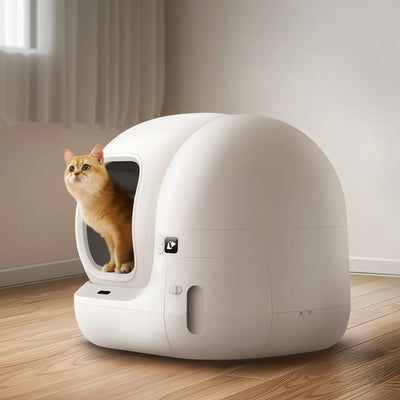
PuraMax 2 measures 24.41 × 21.18 × 21.73 inches and has a 7.87-inch entrance height, making it much shorter than Litter-Robot 5. PETKIT documents a 3.3–22 lb operating range, an anti-pinch structure that keeps the entrance open during rotation at the critical angle, and 11 sensors.
The low step is useful, but the actual opening—about 7.87 × 10.03 inches—is more enclosed than the Litter-Robot opening or Neakasa’s open top. PETKIT instructs users to place the unit on a firm, level surface and not on carpet because unstable flooring can interfere with sensors. The claimed ammonia and bacteria reductions are PETKIT lab claims, not independent MeowBay results.
- Homes that need a shorter automatic unit
- Cats that benefit from a 7.87-inch entry height
- Owners comparing sealed waste and multiple litter sifters
- Buyers comfortable with app setup and consumables
- Your cat exceeds the stated 22 lb maximum
- Your cat dislikes a smaller enclosed entrance
- The only placement option is soft carpet
- You want fragrance-free ownership without checking consumable choices
Main trade-off: low entry and compact height, but a smaller entrance and stricter placement requirements.
Best odor-and-tracking design to compare
5. PetSnowy SNOW+

SNOW+ combines a rotating litter chamber, sealed 10 L waste bin, curved anti-tracking walkway, and optional odor-control components. PetSnowy lists exterior dimensions of 29.5 × 20 × 25.6 inches. The manufacturer’s “90.5% ammonia removal” figure is its own test claim and should not be interpreted as a promise that every room will be odor-free.
The walkway is both the advantage and the compromise. It can capture more tracked litter and add distance between the waste chamber and the room, but it lengthens the unit and creates an enclosed route that a cautious cat may reject. Replacement litter beds, screens, fragrance or odor-control components, and bags belong in the total-cost calculation.
- Households prioritizing physical tracking control
- High-spraying cats that need a lined globe
- Owners wanting a large sealed waste drawer
- Rooms with enough length for the 29.5-inch unit
- Your cat needs an open view or quick second exit
- Your apartment cannot spare the depth
- You want minimal proprietary consumables
- You are relying on an odor percentage rather than daily maintenance
Main trade-off: stronger physical containment, but the largest enclosed route and more ownership consumables.
The real trade-offs most comparison pages hide
- Automatic cleaning can reduce scooping, not observation. You still need to see whether each cat is urinating and defecating normally.
- One robot is still one resource. It does not create separate locations or escape routes for multiple cats.
- Odor moves into a drawer. Seals, ventilation, litter, humidity, soft stool, urine leakage, and emptying frequency determine what happens next.
- Large exterior dimensions do not guarantee cat space. Compare the entrance, interior turning room, headroom, and step height.
- App history is not a diagnosis. Weight and visit patterns can be prompts to observe or call a veterinarian, not medical conclusions.
- Consumables change the real price. Bags, liners, filters, deodorizers, litter restrictions, ramps, and extended warranties add up.
- Deep cleaning remains physical work. Globes, liners, screens, waste drawers, seals, sensors, and urine traps still require access and drying time.
When a traditional box is the better choice
A large uncovered tray is often cheaper, easier to inspect, quieter, easier to replace, and more accessible. Keep or choose one when the cat avoids enclosed spaces, needs very low sides, uses non-compatible litter, is below the automatic threshold, or becomes anxious around movement. Our automatic vs traditional litter-box guide compares daily work, safety, cost, observation, and cat acceptance.
Best automatic litter box in 2026: choose by household fit
The best choice depends on the cats using it, the usable space inside and the work you can maintain. Use these checks alongside the model comparison above; a newer release or higher price alone does not establish reliability.
Best automatic litter box for multiple cats or 2 cats
For two or more cats, compare access, waste capacity and how easily you can tell whether each cat is using the box. A bigger drawer does not prevent one cat blocking another. Keep separate litter locations: Cornell recommends one box per cat plus one, so three boxes is a useful starting point for two cats. Automatic cleaning does not replace that access planning.
Plan an automatic litter-box setup for two cats →
Best automatic litter box for large cats
Start with usable turning room, headroom, entry width and step height, then check the exact model’s operating limits. Compare the open-top Neakasa M1 Plus with the enclosed designs above; neither exterior dimensions nor a maximum weight claim proves that your cat will fit comfortably. A high step can rule out an otherwise spacious option.
Compare automatic litter boxes for large cats →
Best automatic litter box for odor control
Compare the waste-drawer seal, access for washing, replacement filters and the route urine can take around liners and joints. Faster waste removal can help, but a sealed drawer still needs emptying. Choose a design you can clean thoroughly rather than treating a manufacturer’s odor percentage as a guarantee.
Compare odor-control designs and trade-offs →
Considering the Whisker Litter-Robot 4?
Litter-Robot 4 is a separate model from the Litter-Robot 5 discussed above. Whisker documents app connectivity, automatic sifting and a sealed waste drawer for the 4. Its guidance requires cats to weigh at least 3 lb for automatic mode and specifies compatible clumping litter. Check the exact model’s manual, regional warranty, return costs and accessories before comparing an offer; do not transfer specifications between generations.
Source: Whisker’s Litter-Robot 4 FAQ. For other designs, see our Litter-Robot alternatives comparison.
Frequently asked questions
What is the most reliable automatic cat litter box?
MeowBay cannot name a proven reliability winner without comparable long-term failure and repair data. Our shortlist is research-based. Before buying, check replacement-part availability, warranty coverage, return shipping, support in your country, cleaning access and what happens after a power interruption. Owner reports can highlight recurring issues, but star ratings and sensor counts alone do not establish a failure rate.
Are automatic litter boxes better for cats?
Not automatically. They can reduce the time waste remains in the litter bed, but the benefit depends on whether your cat comfortably enters and uses the box. Movement, noise, enclosure and entry height can make a particular design a poor fit. Keep a familiar box during the transition and let your cat choose; read our automatic vs traditional litter-box comparison.
What cat litter should I use in an automatic litter box?
Use the litter specified in the exact model’s manual. Litter-Robot 4 requires litter that forms clumps suitable for its sifting system; non-clumping litter and wood pellets are not interchangeable substitutes. Other mechanisms may have different requirements. Check granule size, fill line and cycle delay before switching, and compare compatible unscented options your cat accepts. See Whisker’s Litter-Robot 4 manual.
What litter box do vets recommend?
Veterinary guidance is about the cat’s needs, not a universal brand winner. Cornell’s Feline Health Center recommends adequate space, easy access, regular cleaning and multiple locations; it notes that many cats prefer uncovered boxes and unscented, fine-textured litter. A large open tray with an accessible entrance is therefore a sensible option to compare before buying a robot. Ask your veterinarian about individual mobility or elimination problems.
Source: Cornell Feline Health Center: litter-box selection and access.
Buying-question update: September 18, 2026. Whisker’s Litter-Robot 4 FAQ/manual and Cornell’s litter-box guidance were checked for these additions. This is not a new hands-on test or a re-verification of every model in the article.
Are automatic litter boxes safe for cats?
Well-designed units can reduce risk through presence detection, delayed cycles, anti-obstruction systems, an open entrance during rotation, and minimum-weight rules. Safety still depends on the exact design, assembly, floor, firmware, maintenance, and cat. Generic or unidentified rotating boxes should not be assumed equivalent to documented models.
Can two cats share one automatic litter box?
They may both use it, but one unit remains one location that can be blocked or unavailable. The common cats-plus-one starting point means two cats often benefit from three boxes in separate locations. See how many boxes two cats need.
Do automatic litter boxes control odor?
They can move clumps into a sealed drawer sooner, but no unit eliminates odor under every condition. Litter, clumping time, seals, ventilation, waste capacity, cleaning, and stool consistency matter. Compare mechanisms in our odor-control guide.
How often should an automatic litter box be cleaned?
Inspect it daily, empty the drawer before it overfills, wipe soiled surfaces when needed, and deep-clean removable parts according to the manual. Frequency changes with model, cats, litter, humidity, and waste. Use the traditional and automatic cleaning schedule.
What if my cat suddenly stops using it?
Restore access to a familiar clean box and check for noise, movement, odor, cleanliness, blocked access, or a painful high entry. Sudden straining, repeated trips, crying, blood, constipation, or elimination changes can have medical causes; contact a veterinarian rather than relying only on app records.
Sources and verification
- PETLIBRO: Luma product specifications and setup guidance
- Whisker: Litter-Robot 5 specifications, availability, trial, and feature descriptions
- Whisker: Litter-Robot 4, 5, 5 Pro, and EVO comparison
- Neakasa: M1 Plus specifications and use guidance
- Neakasa: mandatory M1 firmware update notice
- PetSafe: ScoopFree SmartSpin US specifications and manufacturer claims
- PetSafe Australia: SmartSpin dimensions and regional model
- PETKIT: PuraMax 2 specifications and placement guidance
- PETKIT: PuraMax 2 user manual
- PetSnowy: SNOW+ specifications and manufacturer claims
- PetSnowy: SNOW+ compatibility, dimensions, and maintenance FAQ
- Cornell Feline Health Center: litter-box access, size, cleanliness, and house-soiling guidance
- AAFP/ISFM: litter-box number, size, placement, and maintenance guidance
Editorial scope: independent product research and general household guidance—not veterinary diagnosis or individualized medical advice. Specifications and prices can change; verify the current regional manual before purchase.
3 Comments on “Best Automatic Litter Boxes for Indoor Cats: Safety, Size, Odor Control & Real Trade-Offs”