


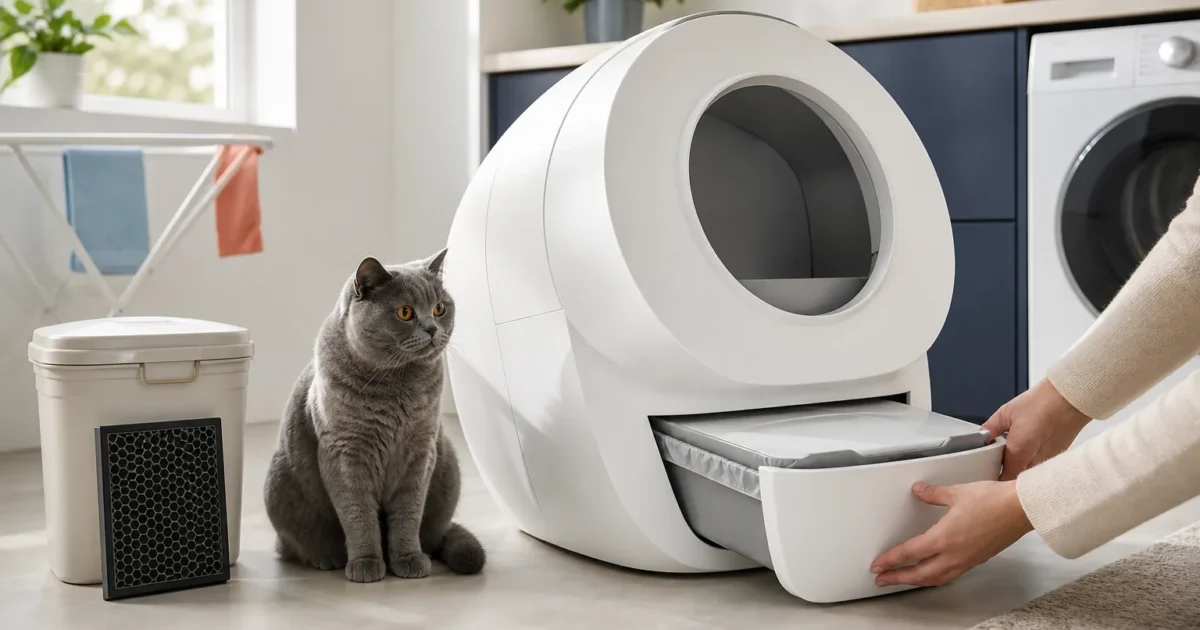
Compare designs before choosing
Start with your cat’s size, preferred access and the space available in your home.
Paid links: MeowBay may earn a commission from qualifying purchases. As an Amazon Associate, we earn from qualifying purchases.
Additional premium option
PETLIBRO Luma

Automatic cleaning · Enclosed design · App
Limitation: Adult cats 2.2–22 lb; needs a hard, level floor and generous clearance.
Enclosed odor-control design
PetSnowy SNOW+

Enclosed walkway · Sealed waste · App
Limitation: Long footprint and enclosed access will not suit every cat.
Low-entry alternative
PETKIT PuraMax 2
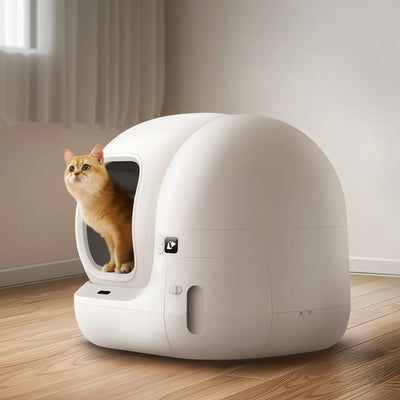
Low entry · Enclosed cylinder · App
Limitation: Confirm PuraMax 2 on the listing; newer PETKIT models are different.
Odor-control comparison · Updated August 2026
An automatic litter box controls odor by removing clumps promptly, sealing the waste path, limiting leaks and residue, and remaining easy enough to clean. Fragrance, carbon filters, deodorizers, and percentage claims are secondary. No machine can compensate indefinitely for an overfilled drawer, soft stool, slow-clumping litter, urine in seams, or poor ventilation.
The short answer
PetSnowy SNOW+ has the most odor-focused physical package in this comparison: an enclosed route, sealed 10 L waste bin, and optional TiO₂ system. Litter-Robot 5 combines a sealed drawer, carbon filtration, and waste-type-aware cycle timing. PETKIT PuraMax 2 pairs a sealed cylinder and waste bin with optional deodorizing systems. PetSafe SmartSpin is the lower-priced sealed-drawer option.
These rankings compare documented mechanisms—not independent smell-chamber testing. The best real result depends on cleaning and cat acceptance.
Affiliate disclosure: MeowBay may earn a commission from marked retailer links. Manufacturer performance claims are identified and were not independently reproduced.
What actually changes odor
- Removal timing: feces benefits from prompt containment; urine clumps need time to form before sifting.
- Drawer seal: gaps, bag placement, drawer fullness, and worn seals affect containment.
- Leak control: urine on liners, edges, screens, or hidden seams produces persistent odor.
- Cleanability: removable, washable parts matter more over months than a fresh deodorizer.
- Litter match: poor clumping creates smearing and wet residue.
- Waste volume: “up to two weeks” for one cat may become days in a multi-cat home.
- Room conditions: heat, humidity, and weak ventilation change the result.
Quick odor-control comparison
| Model | Documented mechanism | Recurring item | Main odor risk |
|---|---|---|---|
| PetSnowy SNOW+ | Sealed 10 L drawer, enclosed path, TiO₂ option | Odor/fragrance components, bags, screens | Residue in globe or long waste storage |
| Litter-Robot 5 | Sealed drawer, carbon filter, WasteID cycle timing | Filters, liners, optional OdorTrap | Drawer seal, liner, or globe residue |
| PETKIT PuraMax 2 | Sealed cylinder and drawer, N50 and spray options | N50, liquid, bags | Smearing or side-wall urine residue |
| PetSafe SmartSpin | Sealed 6 L drawer and deodorizer | Deodorizer packs and liners | Smaller drawer fills faster with multiple cats |
Best physical odor-containment design to compare
1. PetSnowy SNOW+
SNOW+ moves waste into a sealed 10 L drawer and uses an enclosed walkway between the litter chamber and the room. PetSnowy also offers a TiO₂ system and reports a 90.5% ammonia-removal rate. Treat that percentage as a manufacturer test, not a guaranteed room result.
The large drawer can hold more waste, but capacity is not automatically better for odor if owners wait too long to empty it. High-spraying cats and soft stool may require more frequent globe cleaning. The enclosed path can reduce tracking and odor escape but may reduce acceptance for a cautious cat.
- Homes prioritizing enclosure and tracking control
- Owners willing to manage consumables
- Rooms with enough space for a 29.5-inch-long unit
- Your cat rejects long enclosed entrances
- You want minimal proprietary parts
- You are likely to let the drawer sit until maximum capacity
Best premium adaptive cycle system
2. Litter-Robot 5
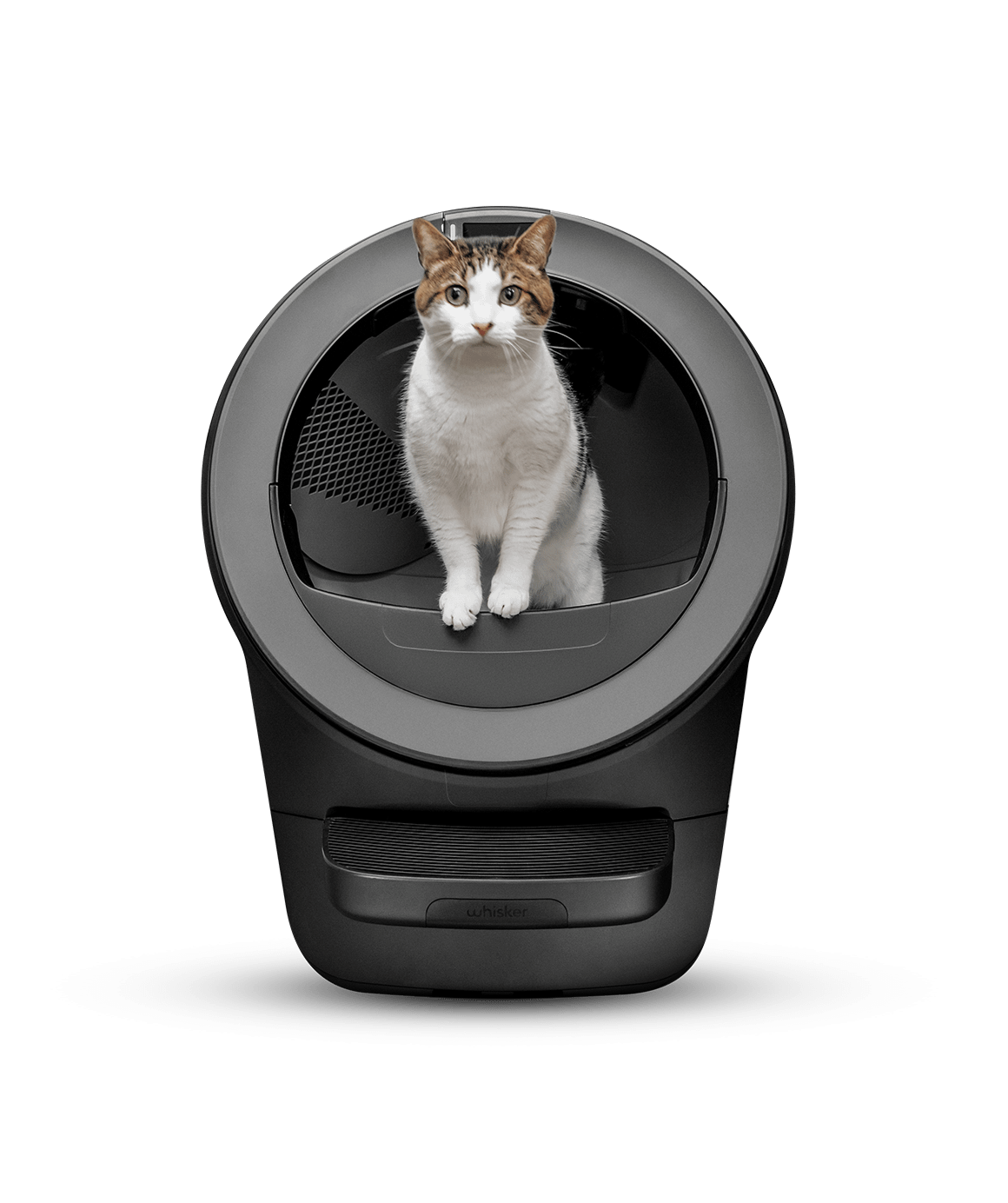
Litter-Robot 5 adds WasteID, which Whisker says distinguishes urine from feces: urine receives more clumping time while solid waste can cycle sooner. The waste drawer uses multi-layer carbon filtration, and optional OdorTrap packs are available.
The concept is sensible, but the real result still depends on detection accuracy, litter, drawer seals, filter condition, liner placement, and cleaning. WasteID learning can take time, and no app feature removes the need to inspect the waste.
- Owners wanting cycle timing tied to waste type
- Homes already considering the Whisker ecosystem
- Buyers valuing a 90-day trial
- $799 plus consumables is too high
- You do not want connected learning features
- You live outside current US/Canada availability
Best compact-height sealed system
3. PETKIT PuraMax 2
PuraMax 2 combines a sealed cylinder, sealed waste drawer, optional N50 odor eliminator, and app-controlled spray. PETKIT reports laboratory ammonia and bacteria reductions for its consumables. Those are manufacturer claims; they do not replace ventilation and washing.
PETKIT specifically notes that soft or watery stool and poor covering can cause streaking, and recommends fast, tight-clumping litter. This is useful disclosure because residue inside the cylinder is a common pathway to odor regardless of deodorizer strength.
- Homes needing a shorter enclosed box
- Owners willing to tune litter and cleaning
- Buyers who want multiple deodorizing options
- You want fragrance-free operation without checking refills
- Your cat sprays high and you will not clean edges
- You cannot place it on a firm, level floor
Best lower-priced sealed drawer
4. PetSafe ScoopFree SmartSpin

PetSafe says SmartSpin offers four times better odor control than a traditional box through a sealed drawer and integrated deodorizer. The six-liter drawer is smaller than SNOW+’s documented 10 L capacity, which can be positive if it encourages more frequent emptying but less convenient in a busy multi-cat home.
Compare the price of deodorizer packs and liners and verify how easily the drum and drawer can be disassembled. A smooth interior and easy washing may matter more after six months than the first refill included in the box.
- Buyers wanting sealed waste below premium pricing
- Single-cat homes that will empty regularly
- Markets with official PetSafe support
- You want to avoid deodorizer costs
- You have several cats and need a larger drawer
- You expect a manufacturer odor multiple to predict your room
A better odor routine than “wait for full”
- Use a fast-clumping litter compatible with the exact screen.
- Set enough delay for urine clumps to form without leaving feces exposed longer than necessary.
- Inspect the litter bed and drawer every day.
- Empty before maximum capacity, especially in warm weather or multi-cat homes.
- Wipe smears and urine residue when seen; do not cover them with fragrance.
- Wash and fully dry removable parts at the manual’s interval.
- Replace worn seals, filters, liners, screens, or pads.
- Ventilate the room without placing the box in a drafty, frightening route.
When odor is information
A sudden strong change can reflect diarrhea, constipation, urine outside the litter bed, a leak, a full drawer, or a maintenance failure. Do not simply add fragrance. Check the cat and machine. Contact a veterinarian when odor changes arrive with vomiting, lethargy, pain, straining, blood, repeated trips, or major stool or urine changes.
Compare the full ownership trade-offs
Odor is only one decision. Compare safety, cat size, apartment fit, multi-cat access, cleaning, and total cost in the main guide.
Continue your automatic litter-box research
Sources
- PetSnowy: SNOW+ waste, tracking, and odor-system claims
- PetSnowy: SNOW+ litter, capacity, and cleaning FAQ
- Whisker: Litter-Robot 5 WasteID, drawer, and filter information
- PETKIT: PuraMax 2 sealing, litter, and deodorizing claims
- PetSafe: SmartSpin drawer and odor-control claim
- Cornell Feline Health Center: cleanliness, litter preference, and house-soiling guidance
1 Comment on “Best Automatic Litter Boxes for Odor Control: What Actually Works”