
Latest from MeowBay
Practical guidance for better indoor-cat living
Independent product research, useful home ideas, and responsible everyday-care articles: clear enough to use and honest about the evidence.
Fresh, useful, independent
Research-led reading for indoor-cat households.
-
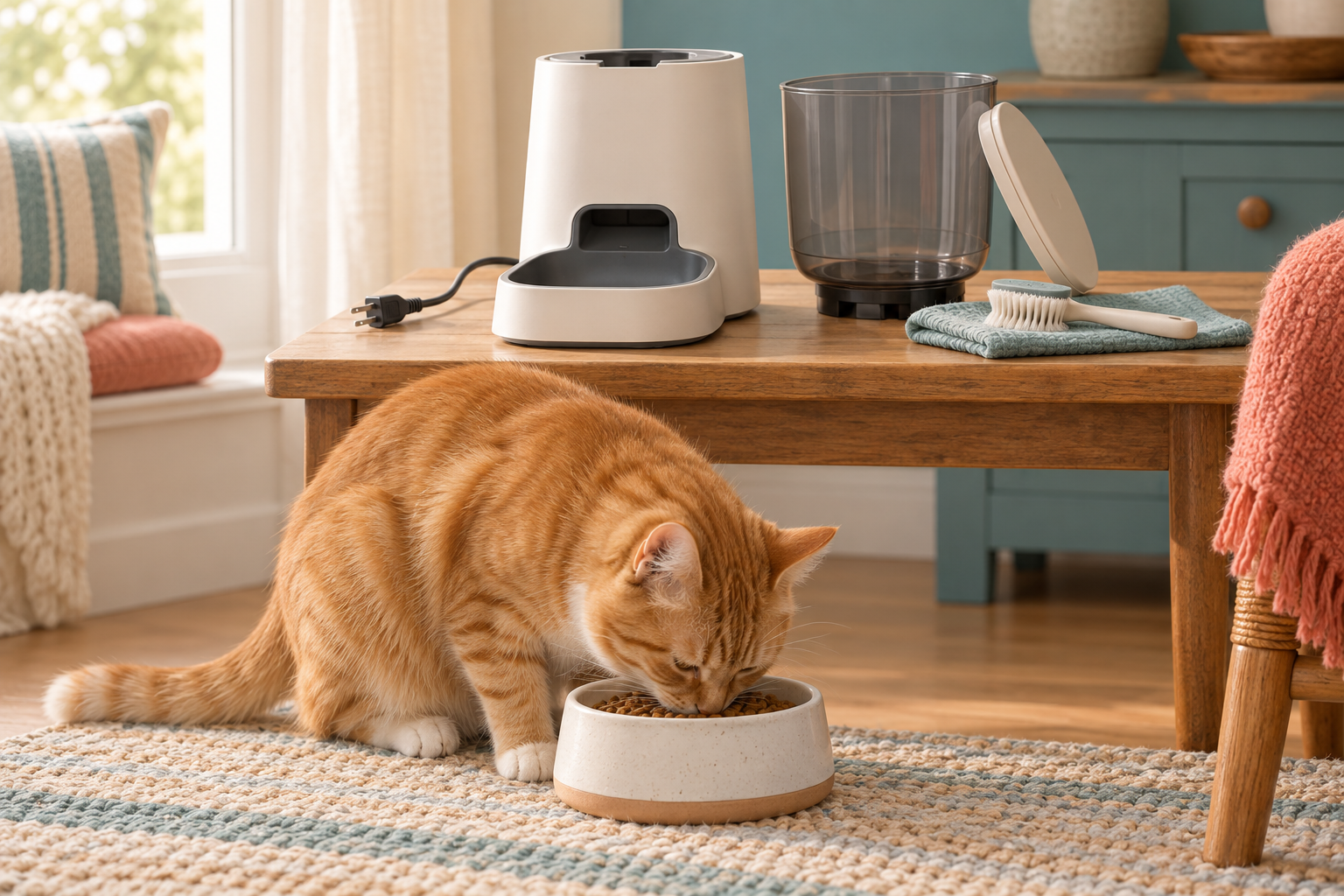
Automatic Cat Feeder Not Dispensing Food? Troubleshooting Guide
Find why an automatic cat feeder is not dispensing food. Check power, jams, schedules and access with a symptom guide and official PETLIBRO support…
-
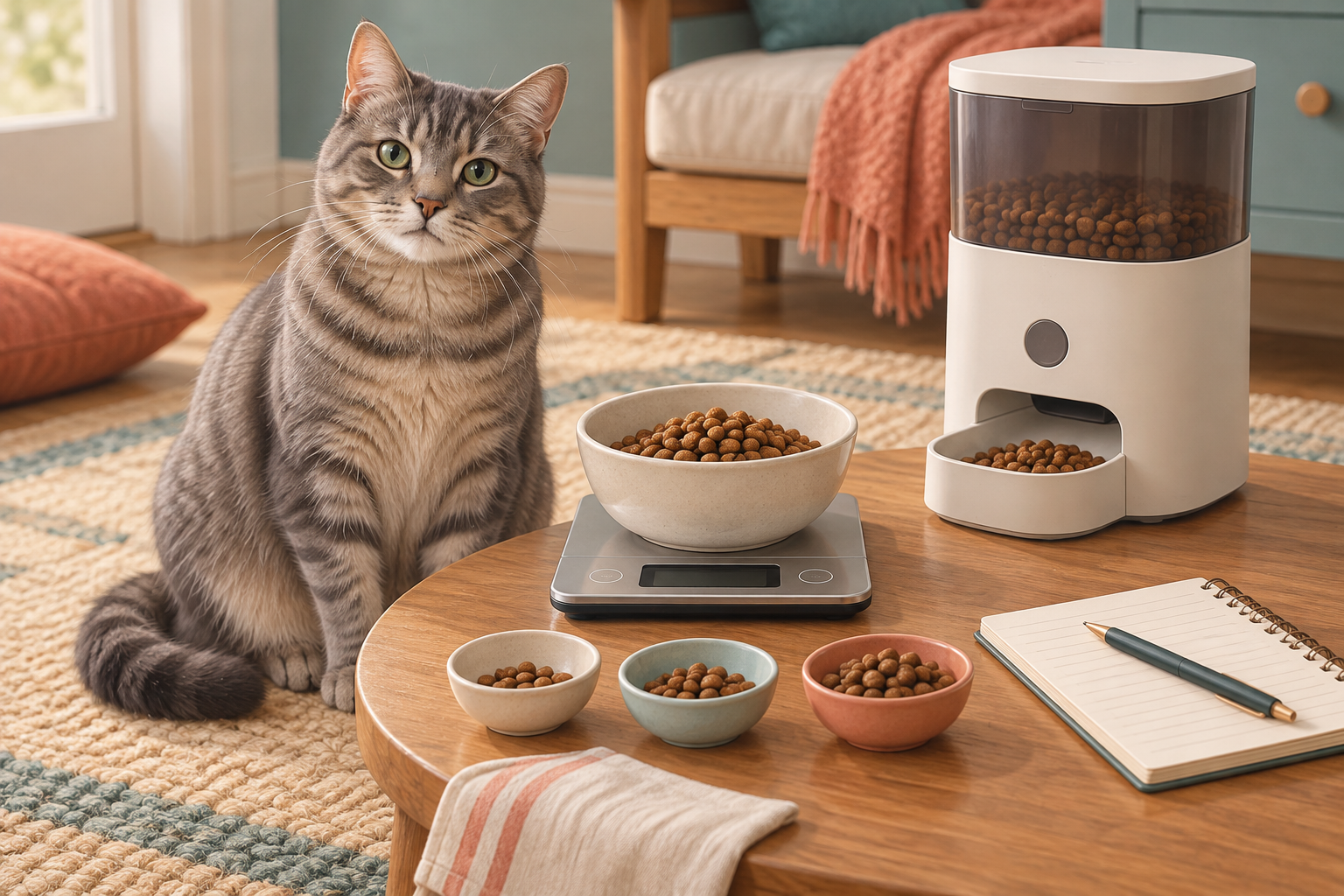
Automatic Cat Feeder Portions in Grams: How to Measure Your Feeder
Learn how to measure automatic cat feeder portions in grams, compare repeated readings, and record your kibble results before using the portion calculator.
-
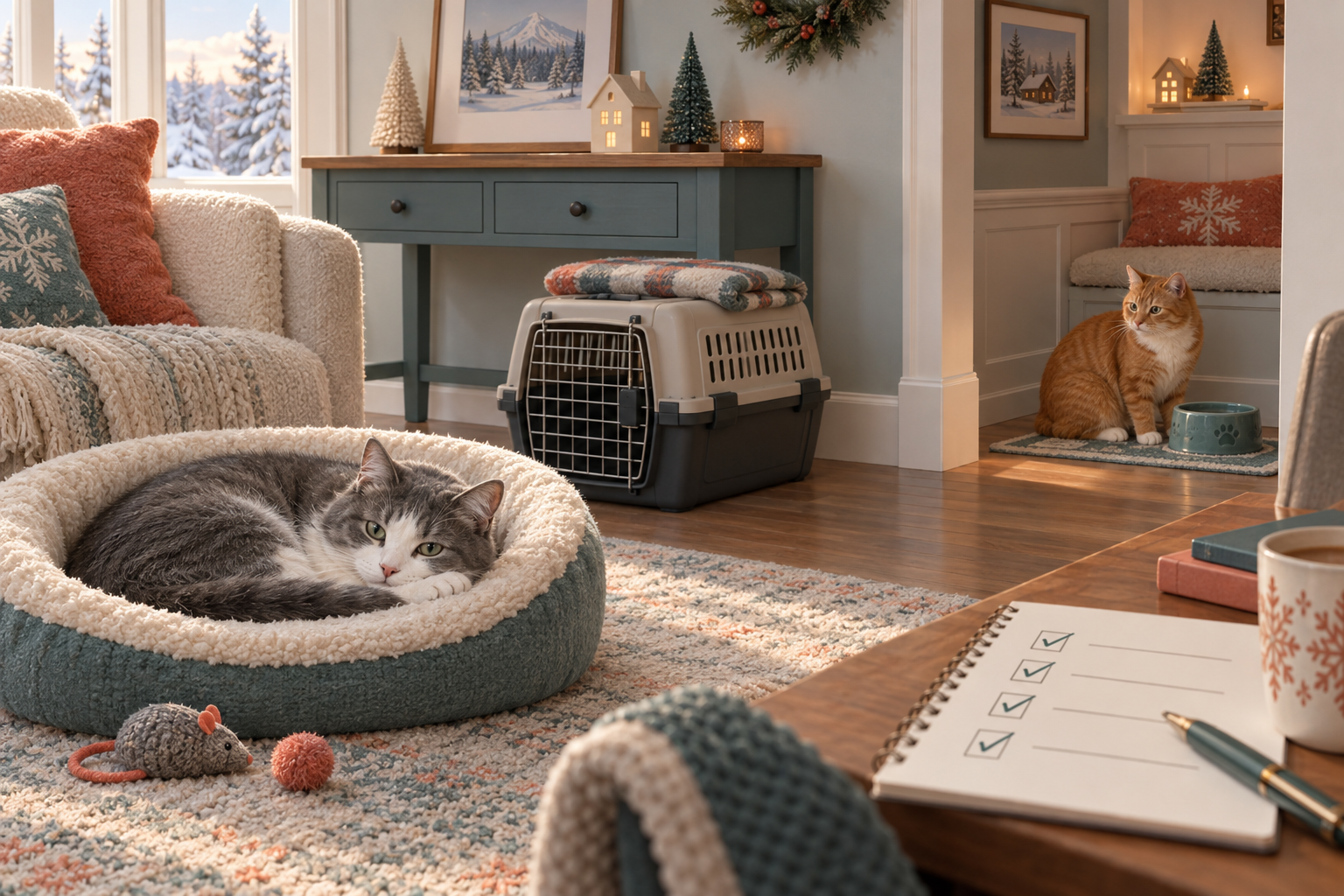
Holiday Cat Care: Sitter, Travel & Safety Checklist
Plan holiday cat care with a sitter, boarding or travel checklist. Compare care options, prepare a written handover, avoid common holiday hazards and know…
-
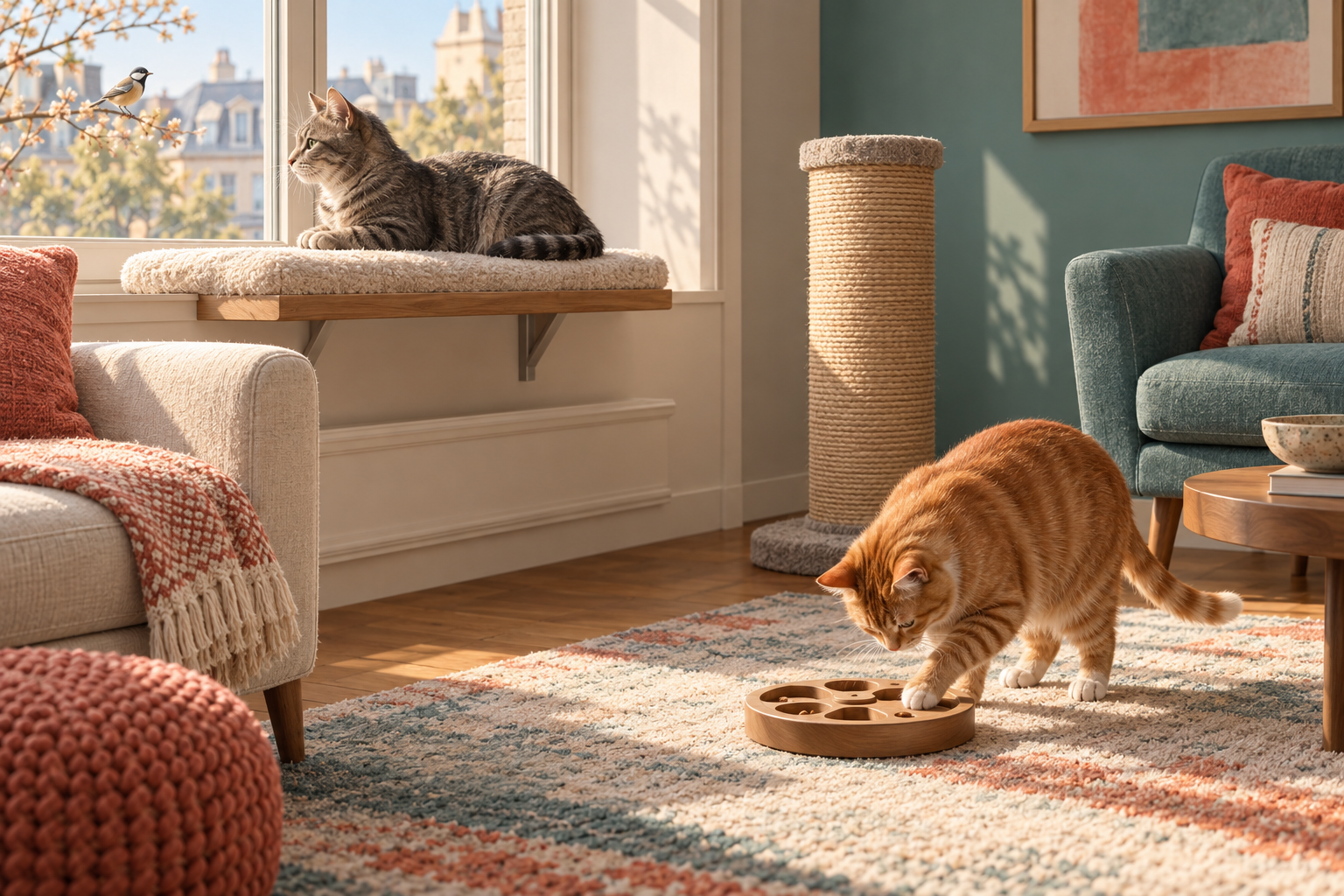
Daily Indoor Cat Enrichment Plan: A Morning-to-Evening Routine
Build an indoor cat enrichment routine with short play sessions, easy food puzzles, scratching, resting choices and a practical weekly observation log.
-
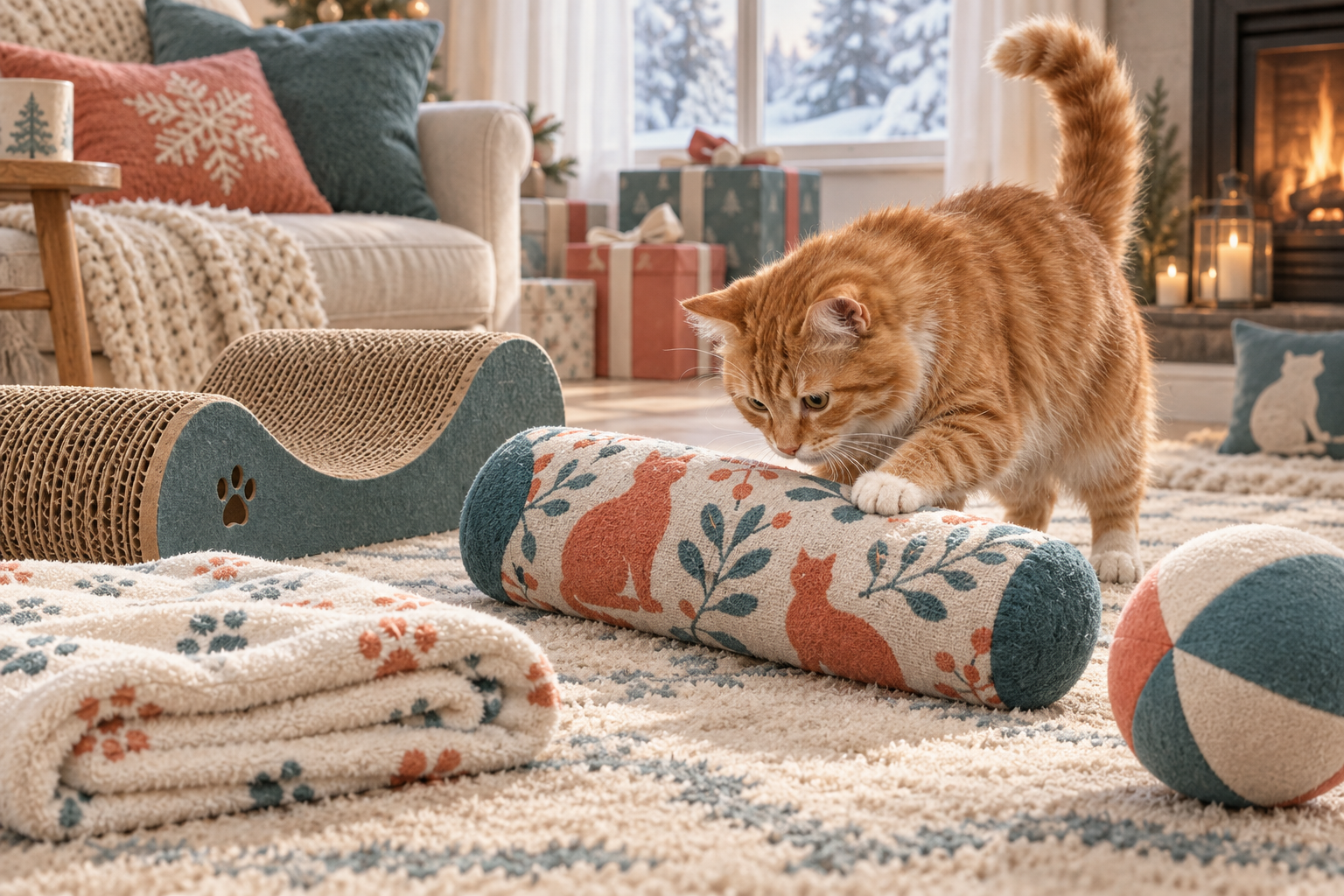
Christmas Gifts for Cats: Choose by Play and Daily Needs
Choose a useful Christmas gift for your cat with a behavior-based checklist covering toys, scratching, resting spaces, food puzzles and feeder trade-offs.
-
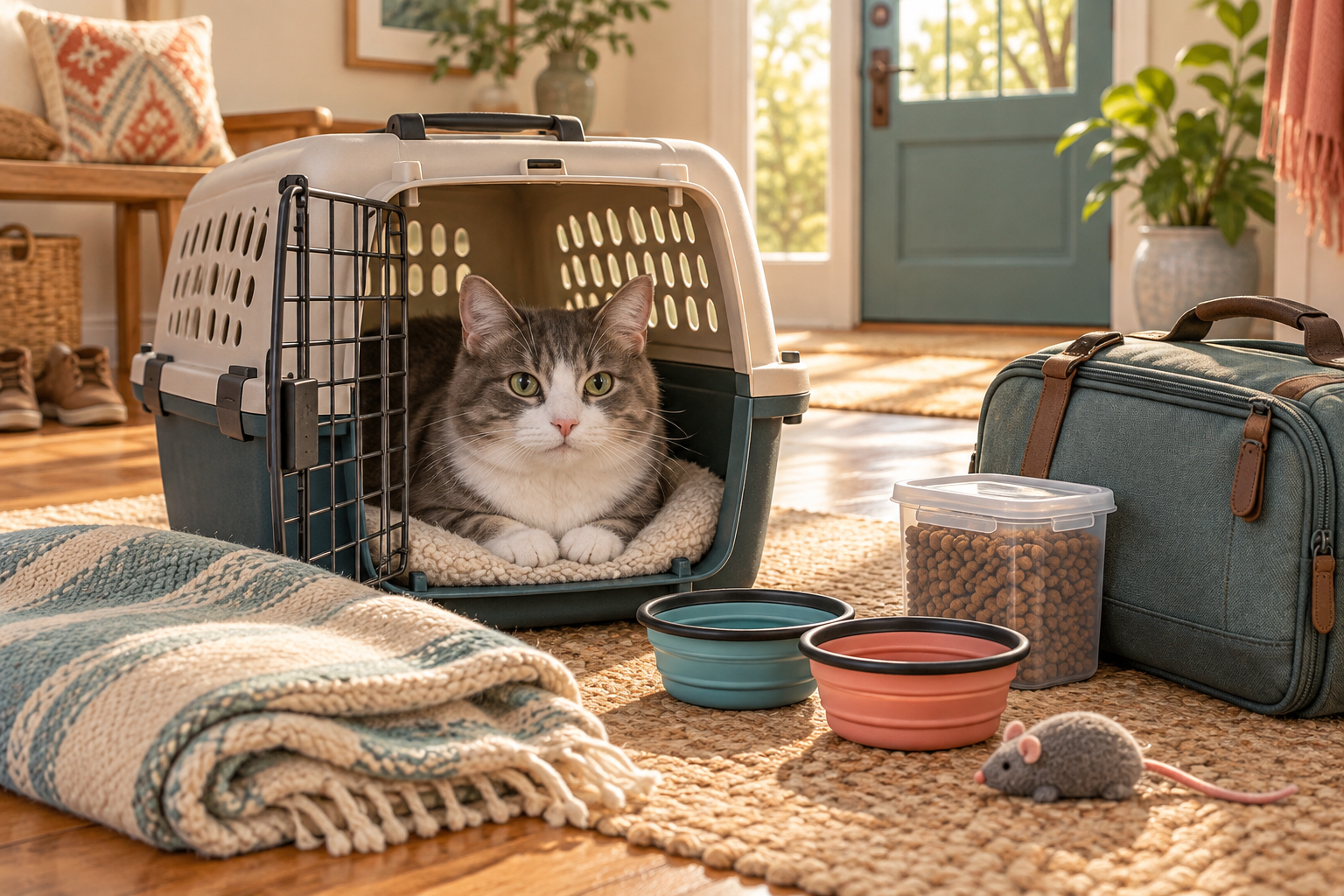
Cat Travel Guide: Preparation, Car Trips & Packing
Prepare your cat for travel with gradual carrier training, car-trip planning, packing and litter tips, plus guidance on when to choose a sitter.
-
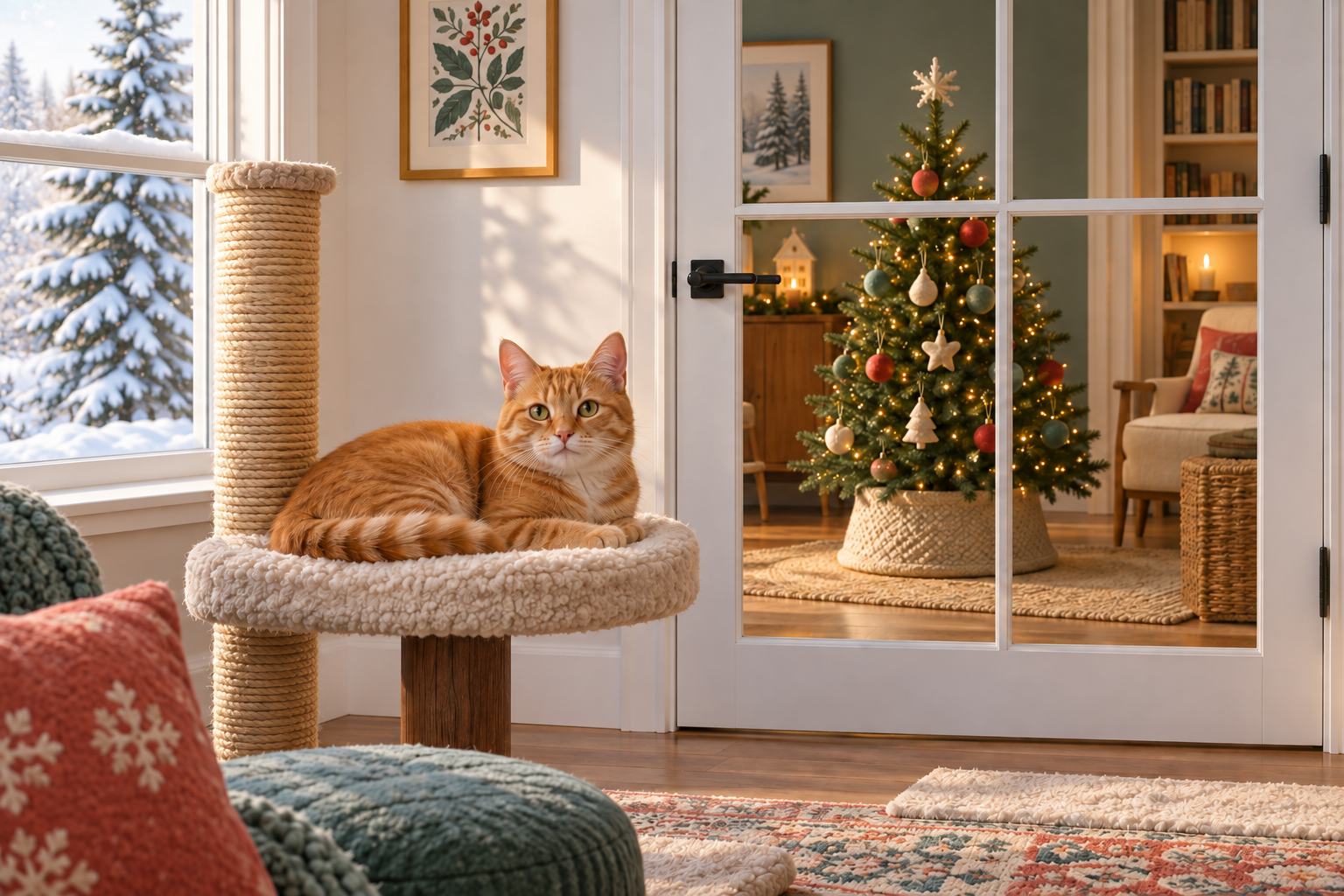
Christmas Tree Cat Safety: Setup and Daily Checklist
Make a Christmas tree safer around cats with secure placement, covered tree water, tinsel-free decorations and a practical daily room check.
-
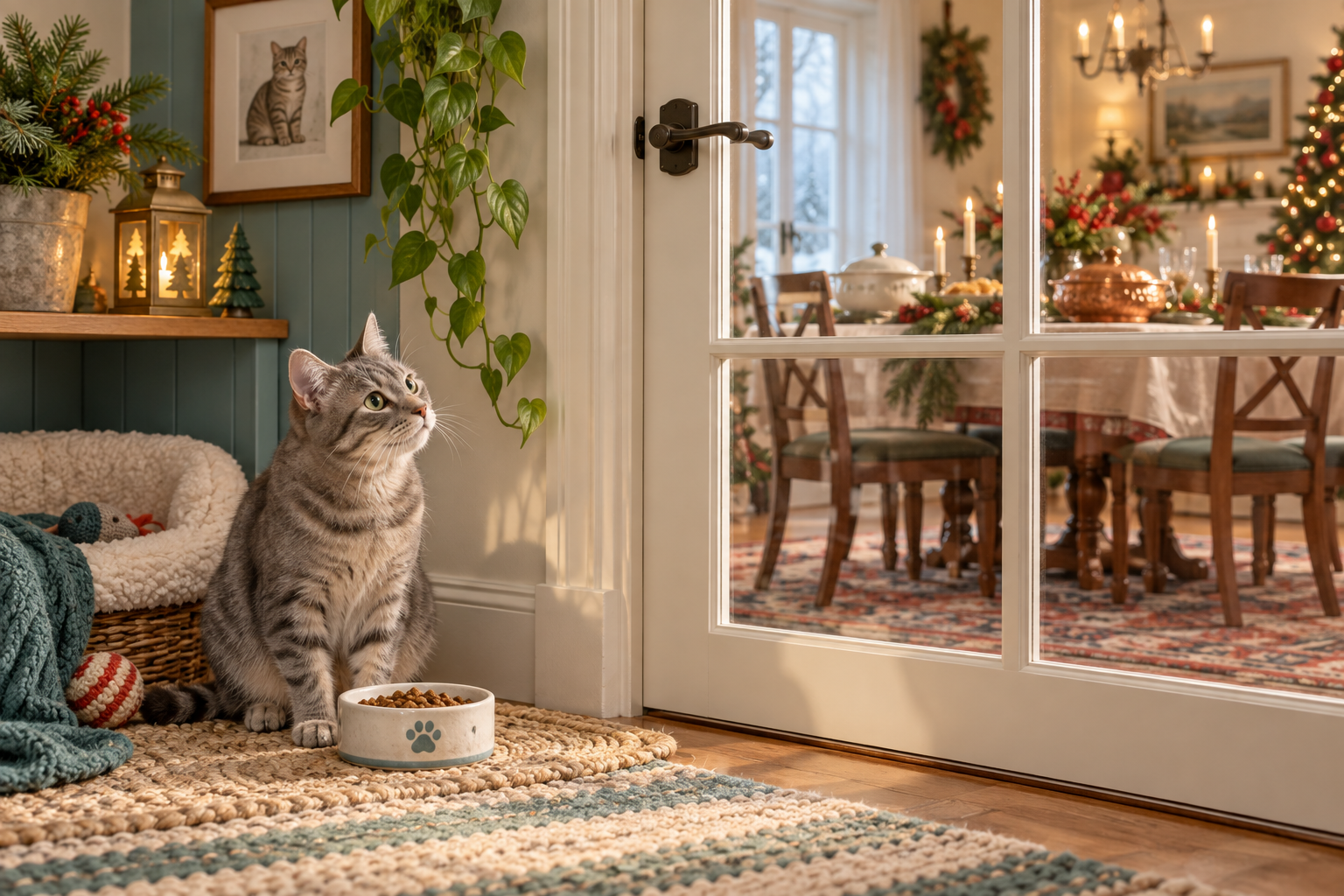
Holiday Foods Cats Should Avoid: A Kitchen Safety Checklist
Check holiday dishes for onion, garlic, chocolate, alcohol and raw dough. Use a kitchen checklist and know what details to give the vet after…
-
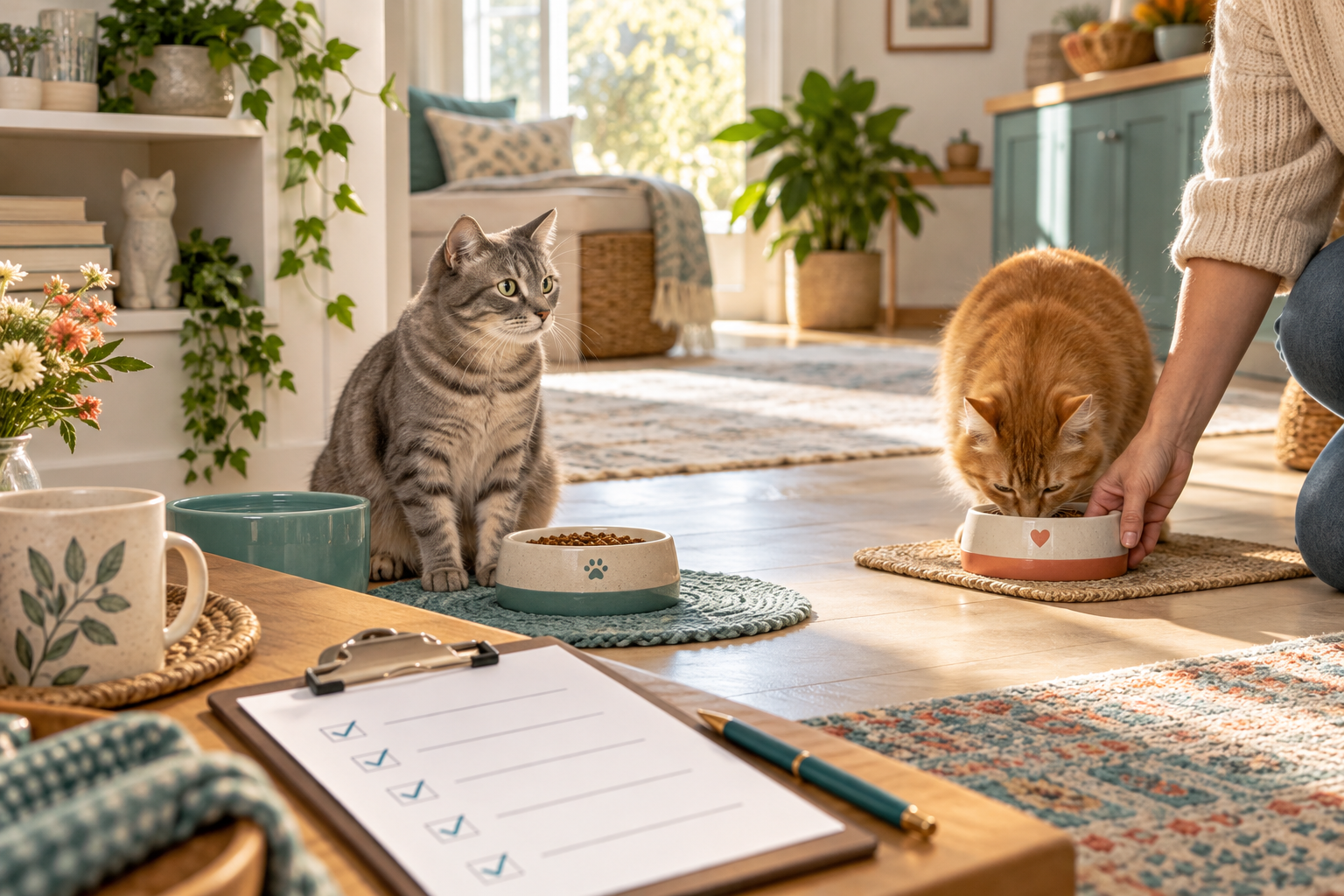
Cat Sitter Checklist: Feeding, Visits and Emergency Notes
Prepare a clear cat sitter handover with feeding instructions, a visit log, emergency contacts, home access notes and an automatic-feeder backup plan.